
Climate Incubator
Showing all 4 results
-
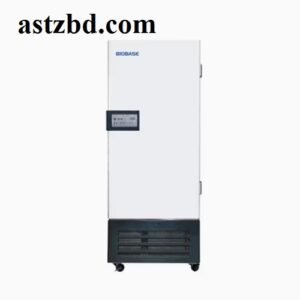
Biobase BJPX- A250/II Climate Incubator
10.00৳ Add to cart -
Biobase BJPX- A300/II Climate Incubator
10.00৳ Add to cart -
Biobase BJPX- A350/II Climate Incubator
10.00৳ Add to cart -
Biobase BJPX- A400/II Climate Incubator
10.00৳ Add to cart

Climate lab Incubator Price in Bangladesh – Buy Genuine Laboratory Climate Chambers
The Climate lab Incubator price in Bangladesh reflects a precision instrument, and astzbd.com stocks genuine Biobase BJPX-A(II) series models — the A250/II, A300/II, A350/II, and A400/II — all built with microprocessor PID control for labs that can’t afford temperature drift. If your research depends on stable, repeatable growth conditions for plants, seeds, or biological samples, the right climate incubator is the difference between usable data and a ruined experiment.
Climate lab Incubator Overview – Controlled Environment for Sensitive Lab Testing
A climate incubator maintains a tightly controlled temperature, humidity, and light environment inside a sealed chamber, making it essential for plant growth studies, seed germination testing, and microbial culture work. Unlike a standard lab incubator that only regulates heat, a climate unit adds programmable lighting and often humidity control, simulating specific environmental conditions on demand. For any lab tracking biological growth over days or weeks, the Climate lab Incubator price in Bangladesh is a justified investment against the cost of repeating a failed study.
How Does a Climate lab Incubator Work?
Temperature & Humidity Control System
Internal sensors continuously monitor chamber conditions and adjust heating or cooling output to hold temperature within a tight tolerance, typically maintaining accuracy that sensitive biological samples require.
Refrigeration & Heating Mechanism
A CFC-free refrigeration system paired with heating elements allows the chamber to both cool and heat, covering a wide temperature range from as low as 5°C up to 50°C depending on the model.
Microprocessor PID Control
PID (Proportional-Integral-Derivative) control continuously fine-tunes the heating and cooling output based on real-time readings, which is what keeps temperature stable rather than swinging above and below the target set point.
Types of Climate lab Incubators We Offer
Constant Temperature & Humidity Incubator
The Biobase BJPX-A250/II maintains stable temperature and humidity for standard growth and culture applications, suited for labs running consistent daily experiments.
Cooling Incubator (Low-Temperature Chamber)
With refrigeration built in, these units can hold temperatures below room level, useful for cold-sensitive biological testing that standard heating-only incubators can’t handle.
Standard Laboratory Incubator (Non-Refrigerated)
For applications that only need above-ambient heating without cooling, a simpler standard incubator may suffice, though the BJPX-A(II) series covers both needs in one unit.
Programmable Climate Chamber
Larger capacity models like the Biobase BJPX-A400/II support programmable light and temperature cycling, letting researchers simulate day-night growth conditions automatically.
Key Features to Look for in a Climate lab Incubator
Temperature Range & Fluctuation Tolerance
Look for a wide operating range (roughly 5°C to 50°C across the BJPX-A(II) series) combined with tight fluctuation tolerance, since even small temperature swings can affect sensitive biological results.
Humidity Control Range
Consistent humidity control matters heavily for plant growth and seed germination studies, where moisture level directly affects outcomes.
Chamber Capacity (Liters)
Capacity scales across the range — from the compact BJPX-A250/II up to the larger BJPX-A400/II — so choose based on sample volume and how many trials you run simultaneously.
Interior Material (Stainless Steel vs Coated Steel)
Stainless steel interiors resist corrosion and are easier to decontaminate between experiments, which matters for labs running repeated biological trials in Bangladesh’s humid climate.
Display & Programmable Timer
An LCD display with programmable timer settings lets you set multi-day cycles without manual intervention, and settings are typically retained automatically if power is interrupted.
Safety Features (Over-Temperature Alarm, Observation Window)
Over-temperature protection and sensor fault alarms protect valuable samples from being lost to equipment malfunction, while a sealed observation window lets you check progress without disturbing internal conditions.
Climate lab Incubator Full Specification
| Category | Parameter | Typical Range (BJPX-A(II) Series) |
|---|---|---|
| Temperature | Operating Range | 5°C – 50°C (model-dependent) |
| Light | Illumination Intensity | 0–6,000 Lux (6-grade adjustable) |
| Build | Interior Material | Stainless Steel |
| Build | Door Sealing | Magnetic door seal |
| Control | Control System | Microprocessor PID control |
| Control | Display | LCD (AII/AIII series) |
| Refrigeration | Refrigerant Type | CFC-free, eco-friendly |
| Safety | Protection | Over-temperature, sensor fault alarm |
| Power | Consumption | Up to 2400W (capacity-dependent) |
Why Precision Climate Control Matters for Lab Results
A few degrees of unplanned temperature drift, or an inconsistent light cycle, can invalidate weeks of germination or growth data before you even notice. This is precisely why the Climate lab Incubator price in Bangladesh for a genuine PID-controlled unit runs higher than a basic heating chamber — you’re paying for measurement stability that protects the integrity of your entire study.
Standard lab Incubator vs Climate lab Incubator – Which One to Buy?
| Feature | Standard Lab Incubator | Climate Lab Incubator |
|---|---|---|
| Temperature Control | Heating only, basic range | Heating & cooling, wider range |
| Humidity/Light Control | Usually none | Programmable light, humidity control |
| Best For | Bacterial/microbial culture | Plant growth, seed germination, climate simulation |
| Price Tier | Lower | Higher |
If your work is limited to standard microbial incubation at a fixed above-ambient temperature, a basic lab incubator may be enough. For plant biology, seed testing, or any study requiring simulated day-night cycles, the climate incubator’s added control justifies the price difference.
Climate lab Incubator Price in Bangladesh
The Climate lab Incubator price in Bangladesh for the Biobase BJPX-A(II) series — covering the A250/II, A300/II, A350/II, and A400/II models — is available on request. Contact astzbd.com directly for current pricing based on the chamber capacity and configuration your lab requires.
What Affects the Price (Capacity, Humidity Control, Brand)
Chamber capacity is the primary price driver — larger units like the A400/II cost more to manufacture and consume more power than the compact A250/II. Additional programmable features, humidity control precision, and brand reliability (Biobase is a globally recognized lab equipment manufacturer) also factor into final pricing.
Why Buy Genuine Climate Incubators from astzbd.com
astzbd.com sources genuine Biobase units with proper manufacturer backing, protecting your lab from unverified imports that often arrive without calibration documentation or reliable after-sales support — a real risk when the equipment directly affects research validity.
Who Should Buy a Climate Incubator?
Microbiology & Pharmaceutical Labs
Stable, repeatable incubation conditions are essential for culture growth and stability testing where inconsistent results can delay entire projects.
Hospitals & Clinical Diagnostic Centers
Diagnostic sample incubation depends on precise temperature control to ensure accurate, reliable test results.
University & Research Institutions
Academic research involving plant biology, seed germination, or environmental simulation studies benefits directly from programmable climate control.
Food & Agricultural Testing Labs
Seed viability testing and crop research require consistent light and temperature cycling that only a proper climate incubator can reliably reproduce.
How to Use a Climate lab Incubator – Quick Setup Guide
- Power on the unit and allow the chamber to reach a stable baseline temperature before loading samples
- Set your target temperature, humidity, and light program using the LCD control panel
- Load samples onto the adjustable shelves, leaving space for even air circulation
- Seal the magnetic door fully to maintain internal thermal equilibrium
- Monitor progress through the observation window without opening the door unnecessarily
- Check the over-temperature alarm status periodically during long incubation cycles
Climate lab Incubator Maintenance & Care Tips
Keep the interior clean and free of residue between experiments to prevent contamination, check the door seal periodically for wear since a compromised magnetic seal affects temperature stability, and avoid setting temperatures below 20°C for extended periods beyond manufacturer recommendations to protect the refrigeration system. Regular calibration checks help catch any drift before it affects your results.
Climate lab Incubator FAQ
What is the temperature range of a typical climate incubator?
Most Biobase BJPX-A(II) series units operate across a range of roughly 5°C to 50°C, depending on the specific model and configuration.
What’s the difference between a climate lab incubator and a standard incubator?
A climate incubator adds programmable light and often humidity control on top of temperature regulation, while a standard incubator typically only manages heating for microbial culture work.
How accurate is the temperature control in a climate lab incubator?
Microprocessor PID control keeps temperature fluctuation tightly managed, continuously adjusting output in real time rather than allowing significant swings around the target setting.
What certifications should a lab incubator have?
Look for ISO and CE certification at minimum, which confirm the unit meets recognized manufacturing and safety standards for laboratory equipment.
How often should a climate lab incubator be calibrated?
Most labs schedule calibration checks annually, though high-precision research work may require more frequent verification depending on internal quality protocols.
Warranty & After-Sales Support (astzbd.com)
Every Biobase climate incubator purchased from astzbd.com comes with manufacturer-backed warranty and dedicated after-sales support, giving your lab confidence in both accuracy and long-term reliability for critical research work.