
Microscope
Showing all 2 results
-
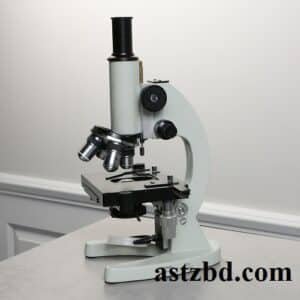
Biological Microscope XSP-13A
12,000.00৳ Add to cart -
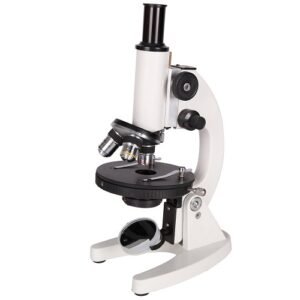
L101 Microscope Bangladesh — XSP-L101 Monocular Biological Microscope 25X–675X for Student & Laboratory Use | ASTZBD
4,400.00৳ Add to cart

Microscope Price in Bangladesh 2026 – Buy Genuine Lab & Educational Microscopes
The Microscope Price in Bangladesh starts from ৳4,400 at astzbd.com, with genuine biological microscopes covering both student-level coursework and more advanced laboratory observation. A microscope might look like a simple optical tool, but the wrong magnification range or a weak light source can turn a promising specimen slide into a blurry, unusable view — so getting the right specification matters more than most first-time buyers realize.
Microscope Overview – See What the Naked Eye Can’t
A microscope uses a combination of lenses and light to magnify objects far beyond what the human eye can resolve on its own, revealing cell structures, microorganisms, and fine details essential to biology, medicine, and education. Whether you’re a student examining onion cells for the first time or a lab technician reviewing tissue samples, the Microscope Price in Bangladesh reflects an instrument that directly determines how clear and reliable your observation turns out.
How Does a Microscope Work?
Light Source & Illumination
Light passes through or reflects off the specimen, with LED, halogen, or mirror-based illumination providing the brightness needed to see fine detail clearly on the slide.
Objective & Eyepiece Magnification
Total magnification comes from combining the objective lens power with the eyepiece power, so a 10x eyepiece paired with a 40x objective gives you 400x total magnification.
Focusing Mechanism (Coarse & Fine)
Coarse focus adjusts the stage or lens quickly to bring the specimen roughly into view, while fine focus fine-tunes the image for sharp, precise clarity at higher magnifications.
Types of Microscopes We Offer
Educational Microscope
Built for classroom use, educational microscopes prioritize durability and simplicity, letting students above age 8 confidently handle repeated daily use without damaging delicate components.
Monocular Microscope
The XSP-L101 Monocular Biological Microscope, priced at ৳4,400, offers 25X–675X magnification through a single eyepiece, making it a practical, affordable choice for student and general laboratory use.
Binocular Microscope
Binocular designs use two eyepieces for more comfortable, fatigue-free viewing during extended lab sessions, though our current stock focuses on the highly accessible monocular format.
Trinocular Microscope
Trinocular models add a third port for camera attachment, letting you capture and document specimen images directly, useful for research or teaching demonstrations.
Biological Microscope
The Biological Microscope XSP-13A at ৳12,000 is purpose-built for observing cells, tissues, and other biological specimens with the magnification range and optical clarity that serious lab work requires.
Key Features to Look for in a Microscope
Magnification Range (Objective Lens Options)
The XSP-L101 covers 25X to 675X magnification, suitable for most student coursework and general specimen observation without needing a specialized research-grade unit.
Head Type (Monocular vs Binocular vs Trinocular)
A monocular head, as found on the L101, keeps the design compact and affordable, while binocular and trinocular options add comfort or documentation capability at a higher price point.
Light Source (LED, Halogen, Mirror)
LED illumination offers consistent brightness with lower power consumption, making it a practical choice for both classroom and lab environments across Bangladesh.
Mechanical Stage & Precision
A stable mechanical stage lets you position slides precisely under the objective lens, which matters significantly once you’re working at higher magnification levels.
Application (Biological, Educational, Textile)
The XSP-13A is suited for biological specimen work, while the more compact L101 fits comfortably into general educational settings for students learning microscopy fundamentals.
Build Material & Durability
A metal body construction, common in quality biological microscopes, holds up to years of repeated handling far better than lighter plastic alternatives.
Microscope Full Specification
| Category | Parameter | Typical Range (Our Stock) |
|---|---|---|
| Magnification | XSP-L101 | 25X – 675X |
| Head Type | XSP-L101 | Monocular, 360° rotatable |
| Application | XSP-13A | Biological specimen observation |
| Light Source | Both Models | LED illumination |
| Build | Body Material | Metal construction |
| Price | Range | ৳4,400 – ৳12,000 |
Why Magnification & Light Source Matter for Accurate Viewing
A microscope with insufficient magnification range simply can’t reveal the cellular or microbial detail your work requires, and a weak or inconsistent light source turns even a well-magnified image into a dim, hard-to-interpret blur. This is exactly why the Microscope Price in Bangladesh for a genuine, properly specified unit is worth paying over an unverified alternative — accurate observation depends on both factors working together reliably.
Monocular vs Binocular vs Trinocular Microscope – Which One to Buy?
| Feature | Monocular | Binocular | Trinocular |
|---|---|---|---|
| Comfort | Basic, single-eye viewing | More comfortable for long sessions | Same as binocular, plus camera port |
| Best For | Students, general use | Extended lab work | Documentation, research |
| Price Range (BD) | ৳4,400 (L101) | Higher | Highest |
If you’re a student or need a reliable, budget-friendly option for general observation, the monocular XSP-L101 covers the need well. For labs running longer daily sessions or needing image documentation, binocular or trinocular formats reduce eye strain and add functionality worth the higher price.
Microscope Price in Bangladesh
The current Microscope Price in Bangladesh at astzbd.com is ৳4,400 for the XSP-L101 Monocular Biological Microscope, and ৳12,000 for the Biological Microscope XSP-13A.
What Affects the Price (Magnification, Head Type, Application, Brand)
Magnification range and optical quality are the biggest price drivers — a unit built specifically for detailed biological observation, like the XSP-13A, costs more than a general-purpose student model like the L101. Head type also factors in, since binocular and trinocular designs require more complex optical assemblies than a simple monocular head.
Student-Grade vs Professional-Grade Price Comparison
Student-grade microscopes like the XSP-L101 sit at the more accessible end of the Microscope Price in Bangladesh range, while professional-grade biological units like the XSP-13A command a higher price for their expanded magnification and observation precision — the right choice depends on whether you need classroom-level use or serious lab-grade clarity.
Why Buy Genuine Microscopes from astzbd.com
astzbd.com stocks genuine microscopes with consistent optical quality, protecting you from unverified imports that often arrive with poorly aligned lenses or inconsistent illumination.
Who Should Buy a Microscope?
School & College Students
The XSP-L101 gives students a durable, easy-to-use introduction to microscopy fundamentals without the cost of a research-grade instrument.
Medical & Biology Labs
Biological specimen work depends on the clarity and magnification range that a dedicated unit like the XSP-13A provides consistently.
Textile Quality Control
Fiber and fabric inspection benefits from microscope magnification to check weave quality and material consistency at a level the naked eye can’t assess.
Research & Diagnostic Centers
Reliable, repeatable observation is essential for diagnostic work where accurate identification of cellular or microbial detail directly affects results.
How to Use a Microscope – Quick Guide
- Place the specimen slide securely on the stage
- Start with the lowest magnification objective to locate the specimen
- Use coarse focus to bring the image roughly into view
- Switch to fine focus for sharp, precise clarity
- Increase magnification gradually as needed, refocusing at each step
- Adjust the light source intensity for optimal contrast and visibility
Microscope Care & Maintenance Tips
Keep lenses clean using proper lens paper rather than cloth or tissue that can scratch the glass, store the microscope covered when not in use to prevent dust buildup, and avoid touching the lens surface directly with fingers. Periodically check that the focusing mechanism moves smoothly, since a stiff or loose mechanism can affect image clarity over time.
Microscope FAQ
What magnification do I need for a school microscope?
For most school coursework, a magnification range up to 675X, like the XSP-L101 offers, is sufficient for observing basic cell structures and general specimen work.
What’s the difference between monocular and binocular microscopes?
A monocular microscope uses a single eyepiece and is generally more affordable, while a binocular design uses two eyepieces for more comfortable viewing during longer sessions.
Can a microscope be used for textile testing?
Yes, microscopes are commonly used in textile quality control to examine fiber structure and fabric weave at a level of detail the naked eye cannot achieve.
What light source is best for a microscope?
LED illumination is generally preferred for its consistent brightness and lower power consumption compared to older halogen or mirror-based lighting systems.
How do I clean and maintain a microscope lens?
Always use proper lens paper rather than regular cloth, avoid touching the lens surface with fingers, and store the microscope covered to prevent dust accumulation between uses.
Warranty & After-Sales Support (astzbd.com)
Every microscope purchased from astzbd.com comes with manufacturer-backed warranty and dedicated after-sales support, giving you confidence in both optical clarity and long-term reliability at this price point.